I have been writing all my life, and my writing is me - talking to you. If you were here, I'd probably talk you to death. I listen too. And I see. This writing, talking, listening and looking is my connection to the world, where I believe we are all connected, part of the evolving and everlasting system that is our planet's home.
I'm old ( though that is not how I see myself) but still always discovering. I believe that my task in life is to learn to balance, to accept the contradictions inherent in living and to be grateful
ALeph’s Alphabet, the children’s book is on sale for $16.50 + postage
If you are interested, contact/email me and I will let you know when they will be available.
I’ve included currently available designs here if you desire any such things. I am open for requests to design for special occasions or events or whatever you can think of. Email if you want to know any more or have questions.
Napkins are 20x 20, placemats are 18×14. The fabric is polyester. Placemats are double layer water resistant. Napkin: $10 each; set of 4, $36; Placemats: $13 each; set of 4, $50 Mix or match Set of 4 napkins and 4 placemats: $83
Matzoh covers are single ply poly: $25
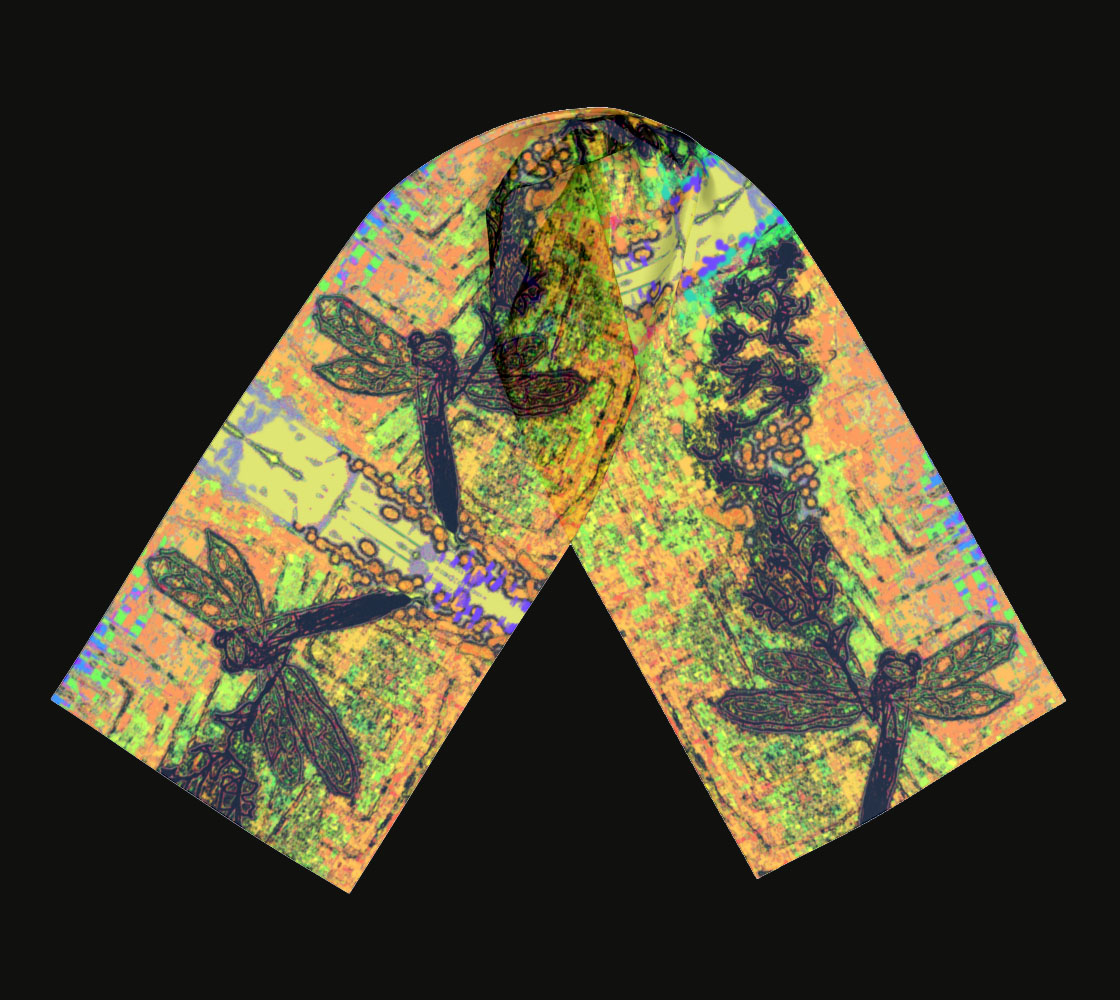
Scarves are 8mm silk habotai and are 10×40 and 16×72. The smaller scarf is $35; the larger, $50.
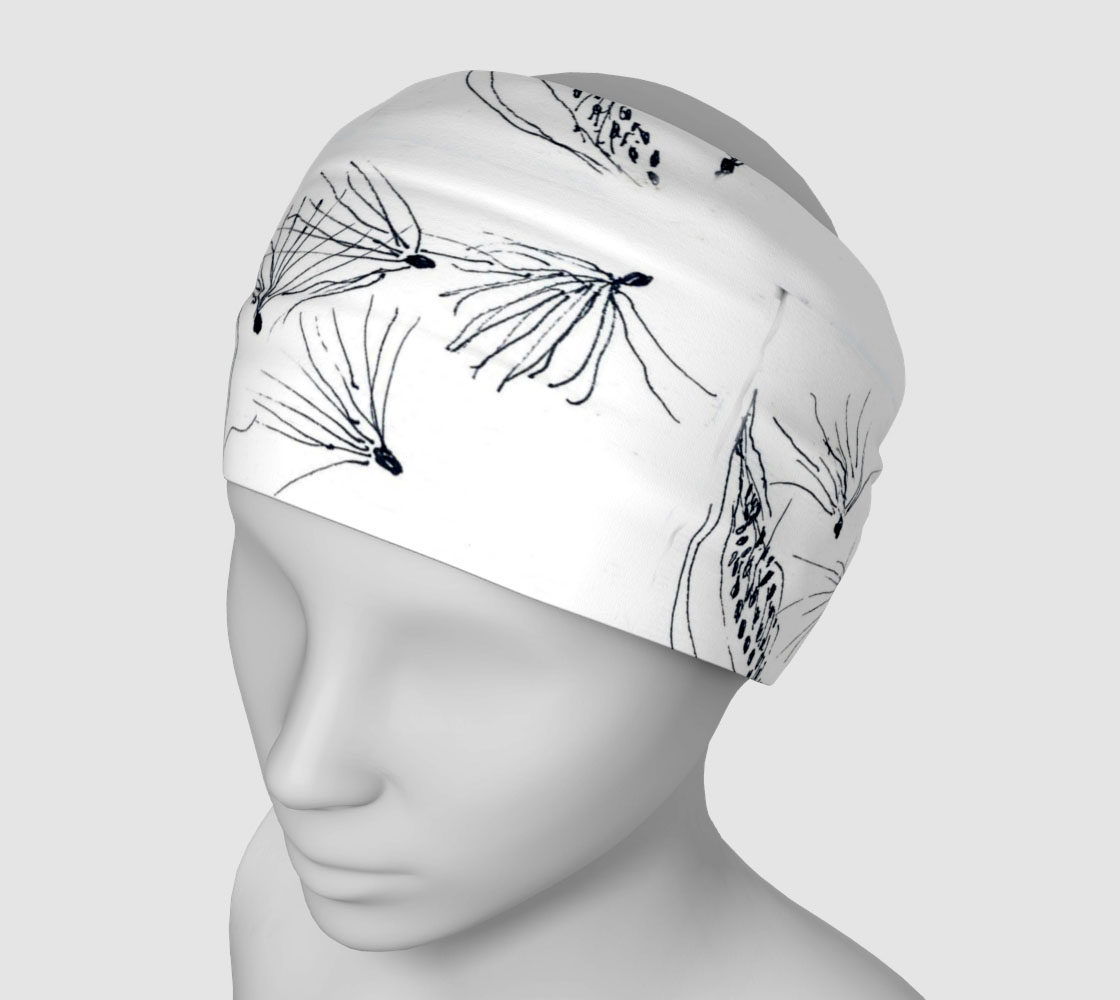
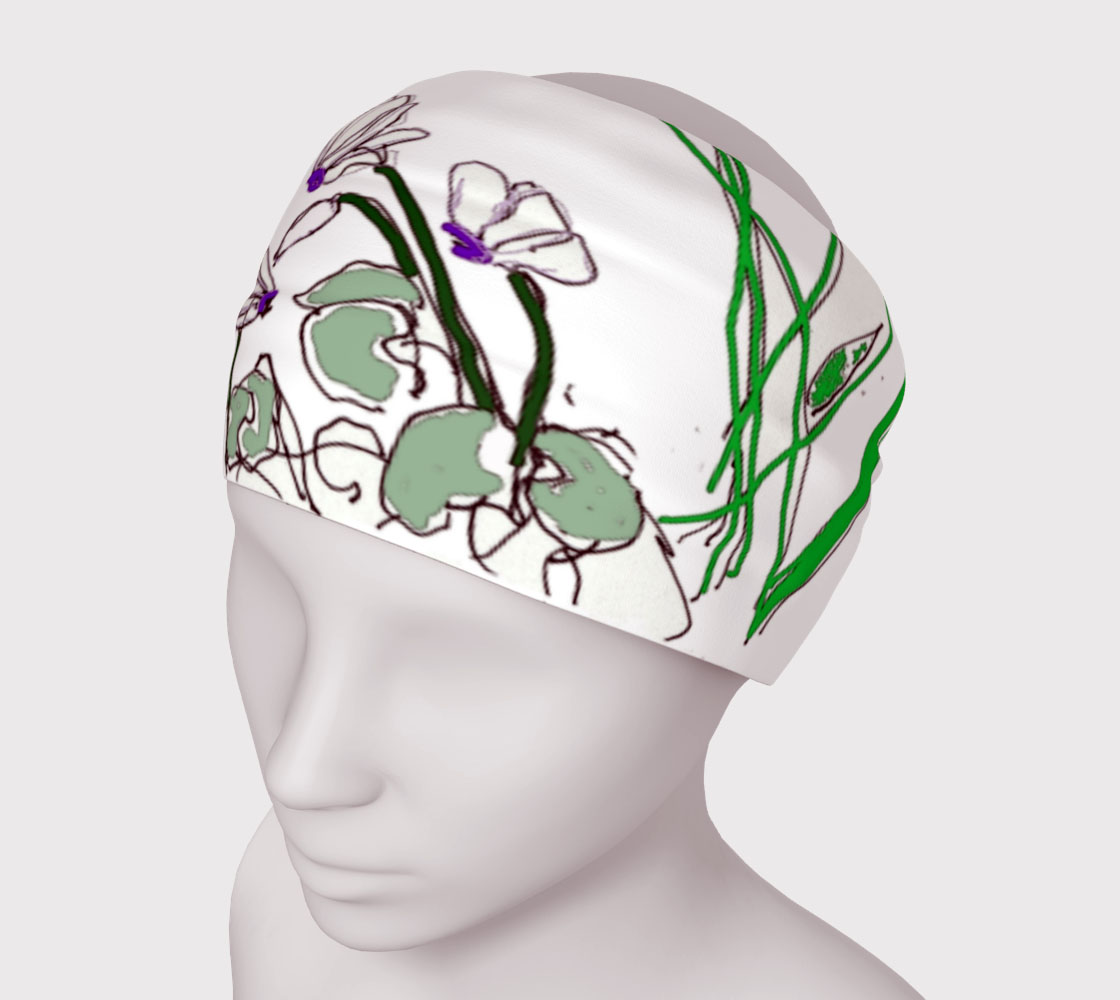
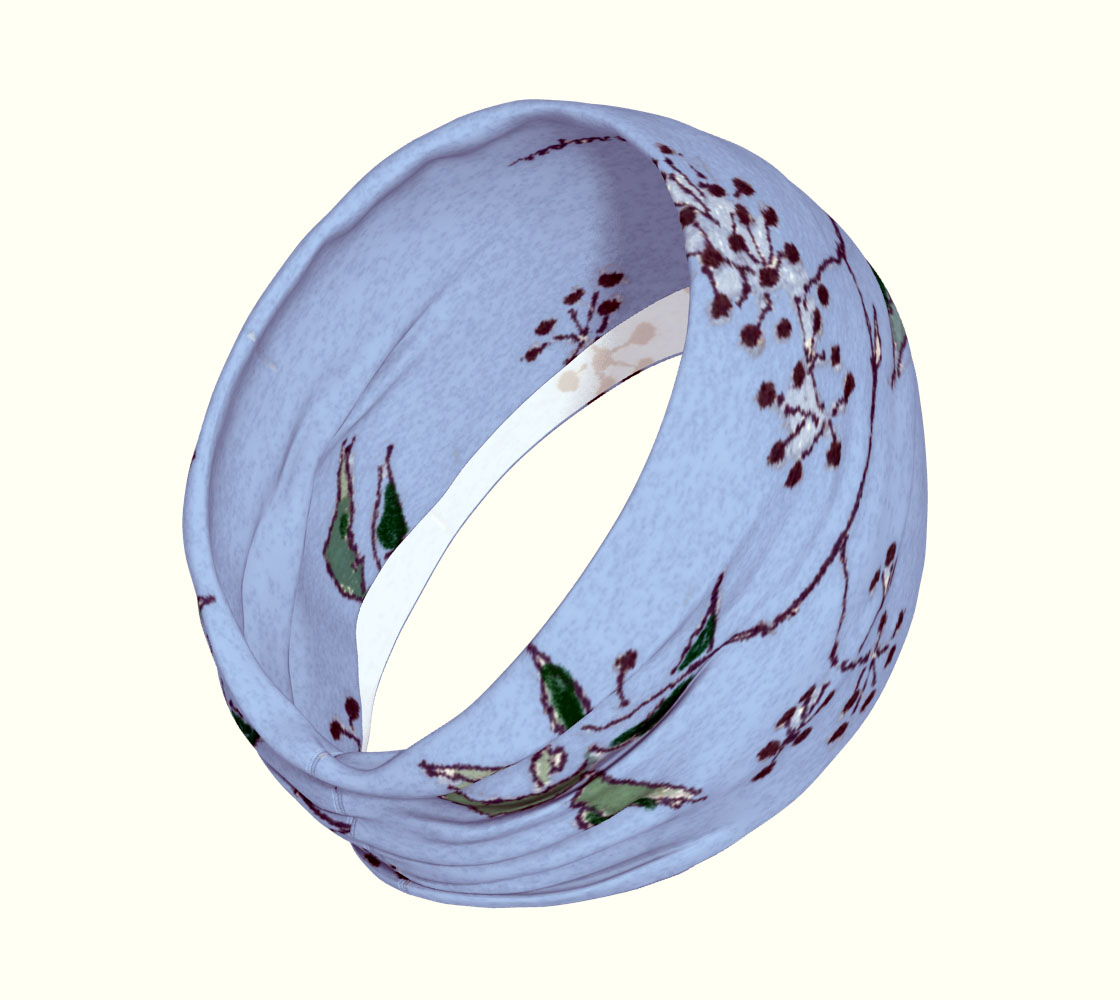
Headbands can be used as head covering/hairband, as a scarf or a face covering: $15
They are wide but lightweight, made from microknit 85% eco polyester/15% spandex blend fabric that is manufactured in Canada, UV resistant fabric – UPF of 50, permanent digital print
I am open for requests to design for special occasions or events or whatever you can think of. I would love to design something with you in mind and with your input. Contact me if you want to say what you like, what you wish for or, or course, what you want to order. Use the contact page, or Email to mermaidspurse70@gmail.com if you want to know any more or have questions. Subscribe and you will receives new posts, poems, images and offers.
I have been writing all my life, and my writing is me – talking to you. If you were here, I’d probably talk you to death. I listen too. And I see. This writing, talking, listening and looking is my connection to the world, where I believe we are all connected, part of the evolving and everlasting system that is our planet’s home. I’m old ( though that is not how I see myself) but still always discovering. I believe that my task in life is to learn to balance, to accept the contradictions inherent in living and to be grateful View all posts by themermaidcrone
I am really excited. I approved a proof of Aleph’s Alphabet, the alphabet book I made for my granddaughter, Aleph, about twenty years ago. It is an animal alphabet: armadillos, birds, cats, dogs, elephants, goats, hippos, iguanas…. and I am thrilled with the way the proof looks.
I worked on the publication of the book so that a child in the family or of a friend, or a friend’s friend could share my creation experience and Aleph’s, as she was involved in the original design. Those many years ago I used Adobe Illustrator and had so much fun watching shapes fill up with patterns. Transferring it to a publishing platform took many experiments and iterations – the last being the most intense (months and a lot of hair pulling and assistance from a friend – Thank you Jean Haney and Mrs. Nish). The effort expended for a relatively thin little book was intense and I whenever I was totally frustrated, I’d stop, spend many hours of embarrassing (to myself) AARP Rewards Mahjongg (AARP should be ashamed of offering addicting games to old people. Are they really trying to improve our quality of life?) before going back and trying again. I finally got it. I hope the knowledge transfers, because I am currently in the process of using the same platform to publish a book of poetry.
The Prepstein family had happily grown. As it does when generations beget descendants, we have become more distant from each other. I would like the distant second and third and grand cousins to be connected in some way to me (now the oldest of the clan) and my granddaughter (who is now, of course, also grown up) other three grandchildren and their forebears. I imagine there are children in the family I don’t know about at all. I hope that those involved will send their addresses so I can send each family a copy. I intend to exchange books with those who have sent me theirs and to children of friends I feel close to. They will also be on sale for $16.50 + postage – at book stores even – if I ever get it together to manage that.
I have found over the years that I am verrrry bad at business and promotion
I’m sharing this news with you because I am so proud of myself. I will not be hurt if you do not want a copy. However, as I already said, they will be for sale. If you are interested, contact/email me and I will let you know when they will be available.
Since I was a teenager, I have been fascinated with patterned fabric. My father had a cousin in NY who was a fabric designer and he had a shower curtain with his design on it. I thought that was the cat’s pajamas. I bought linens and towels for my hope chest – yes, hope chest, because I loved the patterns on the sheets and towels at Lord and Taylor. I had a wonderful time buying the same for the B&B (do you think that’s why I went bankrupt?) I have been a batik artist since 1971 (design on fabric again). Now that you can print your own designs on almost anything, I am experimenting with table sets – cloth napkins and place mats, scarves and other materials that suit my fancy.
I’ve included currently available designs here if you desire any such things. I am open for requests to design for special occasions or events or whatever you can think of. Email if you want to know any more or have questions.
Napkins are 20x 20, placemats are 18×14. The fabric is polyester. Placemats are double layer water resistant. Napkin: $10 each; set of 4, $36; Placemats: $13 each; set of 4, $50 Mix or match Set of 4 napkins and 4 placemats: $83
Matzoh covers are single ply poly: $25
Scarves are 8mm silk habotai and are 10×40 and 16×72. The smaller scarf is $35; the larger, $50.
Headbands can be used as head covering/hairband, as a scarf or a face covering: $15
They are wide but lightweight, made from microknit 85% eco polyester/15% spandex blend fabric that is manufactured in Canada, UV resistant fabric – UPF of 50, permanent digital print
I am open for requests to design for special occasions or events or whatever you can think of. I would love to design something with you in mind and with your input. Contact me if you want to say what you like, what you wish for or, or course, what you want to order. Use the contact page, or Email to mermaidspurse70@gmail.com if you want to know any more or have questions. Subscribe and you will receives new posts, poems, images and offers.
Below are some examples of projects I have designed in the past: brochures, flyers, ad copy, logos. Many of these were designed to advertise the bed and breakfast I hosted for 10 years in beautiful, Down East Maine and for community events.
Others were produced for organizations at which I worked. I’d be happy to work with your business or for your purpose for a reasonably small fee. Or if you are a non-profit, donate some time to produce something you need.
Please contact my email address mermaidspurse70@gmail.com to start the conversation.
This morning I awoke with the dream still in my head – and in my body for that matter – trying to identify the client who I visited in the nursing home in the dream. She had two caretakers now, because two were needed to transfer her. I had been in the same facility on an emergency call in what appeared to be my room at home – it had my bedding, but there was an old man in it who was not responsive. He lay against me like the cat. That was my comfort to him. I changed his underwear several times but later noticed that there were still some stains on the sheet. My agency asked me to take this assignment and I was not uncomfortable with it. He did not communicate except that sometime early in the morning he said “I hurt.” I was glad to be able to comfort him. (It felt like the fulfillment of some idea of what I wanted to be. When I was in my twentys I wanted to be the first sexual experience for the boys in J’s group. I loved them –like their older sister and felt like it was something I could do to educate them and make the experience easier for them – a gift, an education.)
When the old man’s relatives – two men and a woman checked in the morning, I tried to offer the man, who appeared to be the authority, my services as a private caretaker part time, as needed. I tried to find out whether the client communicated anything other than that he was in pain. The son (I suppose) was not particularly interested, acting as if I were intruding, and did not try to answer my questions. He seemed annoyed and asked if I didn’t recognize the other caregivers from my agency that were in the hall (as if I thought I were superior to them?) Apparently 2 young woman of color were there to care for someone else. I had never met them before, but when I went to talk to one, I found out that they were caring for an old client of mine. I went into her room. The girls seemed cowed by her and had concerns about me startling her or acting outside of her protocols, but I persisted and when I spoke to her, she responded as I might have wished. She was waking from night sleep, but looked more beautiful and younger than I ever remembered her. Her face was unlined, her hair was silver, thick and well styled and she was wearing a pink hat that made her glow (I think she may be associated with Prue Leith from the British Baking Show, whom, I just found out, is 80 years old.) I could not sit on the bed because I had no pants on, only a camp shirt that I tried to pull around me to cover me as much as possible (perhaps this related to going to the back door for neighbor in my big bath towel, but I am often inappropriately exposed in my dreams). The old woman in the bed looked so beautiful; I was elated to see her. (J who went into assisted living two months ago? I miss being with her) I was ecstatic. The other care takers appeared to think I was out of my mind. Sometimes I think that too.
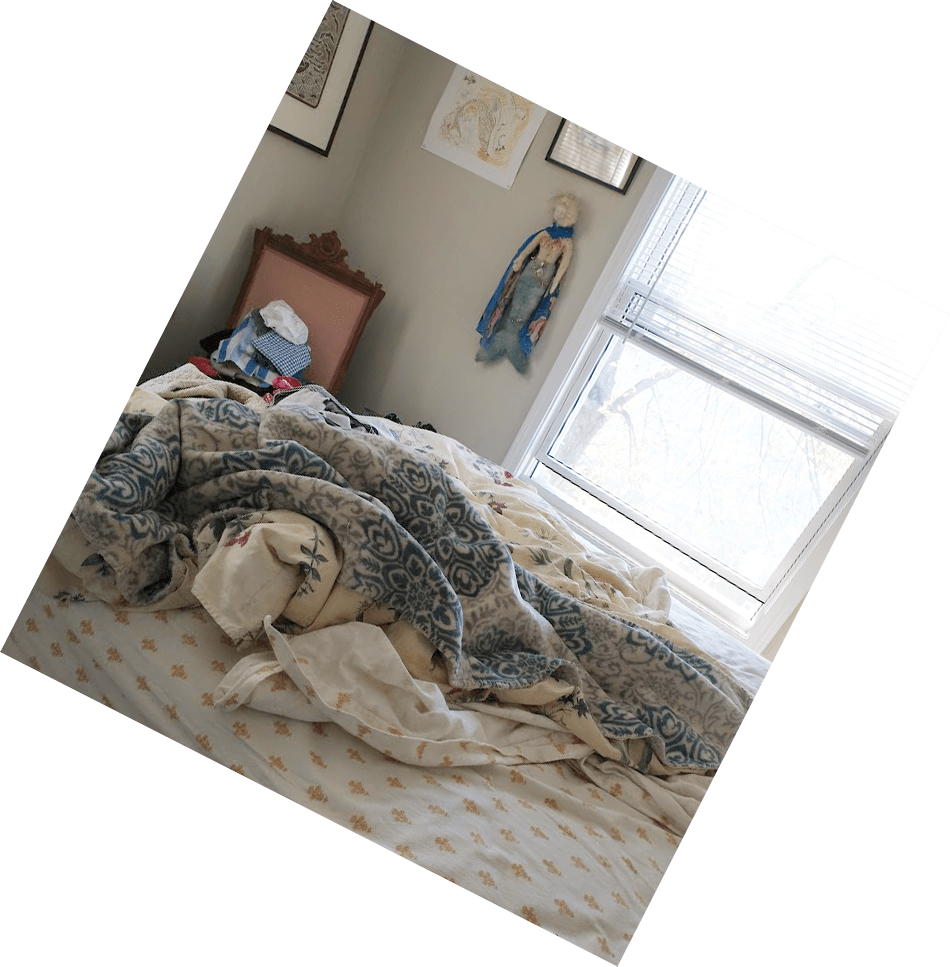
Then I woke up. It was 10:40 standard time. I have to vote today, and N is coming over for dinner and the apartment is even more than usual a mess. I had wakened an hour earlier and gone back to sleep. I often feel guilty about sleeping so late, but I didn’t.
The sun is shining. It looks wonderful outside. N and LW’s little trees are still blazing orange. I felt unusually well rested and refreshed. And I immediately tried to identify the client in the bed in the dream, feeling sure that I really knew her and she had been a client. I went back in my mind to Life Stages and realized that I was never a care giver in Baltimore, which in the dream was my home, and that this client was a dream. My dreams run into my waking times these days. I am so curious to know if that is common in old people or whether I am returning to childhood or whether I am moving into dementia. I am grateful for the experience.
I am a democrat who voted for you in the last election. I am 81, a little older than you, wondering about the rest of my life, hesitating to start new projects. Upon consideration, I realized that if you can be president, I can behave as if my age has not diminished my relevancy or intelligence. I am horrified by our future.
As a culture, we live with the consequences of our devotion to the principles of individual freedom over all (read egoism) and capitalistic economics. We cannot do anything that loses money and those who make money receive power equal to the money they make. Economics, after all is a construct, as are our founding principles. In this age, money is not something that is exchanged for goods and services, but numbers that are manipulated in computers. Yet every discussion regarding national and global decisions start with How does this effect the economy?. Whose economy? That conversation is addressing the corporations that stand in for economic health and do not take any responsibility for the economic health of those from whom they make their profits. Add the effectiveness with which our technological media sells us the rightness of profit, the easy life and individual happiness, we continue to believe that happiness, to which we have a right, is bought by achieving the most comfort and goods and are not willing to give up anything to address the coming disaster.
When you ran as a candidate, I knew that you were moderate and wished for a more activist, braver choice. But I thought you knew the territory, understood that you worked well with others, was assured that you were caring and kind (I believe that) and know that managing the political stage takes tact and sensitivity, which I believe you have. And I really thought you were honest.
I am disappointed by your compromises and your apparent lack of influence. I am disappointed by your choices to settle rather than press. How can Donald Trump terrorize republican party members into behaving as Trump loyalists rather than as servants of the people, when you can’t influence the democratic members to give you what the people want? You have my sympathy.
This morning I read the following: “Less than a week after COP26—where President Joe Biden promised that America would “lead by example” in the fight against climate change—the federal government hosted an auction through which to sell to oil and gas companies more than 80 million acres of the Gulf of Mexico for the extraction of fossil fuels. The sale is the largest-ever sale of oil and gas drilling leases in the Gulf of Mexico.”
Given that we all know that in order to survive climate change we must drastically reduce – if not eliminate the use of fossil fuel, how can you possibly justify this sale. Taking this action after committing to doing what is necessary to make life viable for our children and future generations challenges my belief that you are, at least, honest.
You are an old man. I am an old woman. Though we already see the changes from warming now, we will not suffer it at its worst. You are an old man, but you took this job anyway. Now do the right thing and be remembered for doing it, before it is too late for your grandchildren and mine!
William Cullen Bryant Elementary School. 60th and Cedar Streets, Philadelphia, PA
In the 1940s, when I was a kid, it was legal to pray in school.  At big events, like convocations or sixth grade graduations, we would bow our heads and peek out at our teachers, bent under the weight of the Father, Son and Holy Ghost.  I kept my head half down, not to look conspicuous, and squinted, looking out of the corners of my eyes.

Normal assemblies, we just put our hands on our hearts and recited the Pledge of Allegiance.  God wasn't in that then.  But every day, assembly or no, we read the Bible.  We sat in our seats, our backs straight, elbows resting on the desk, hands folded, and did not speak.  I believed that you weren't supposed to swallow when the Bible was being read.  Nothing that might promise even a potential noise was allowed.  I 'm sure I thought if you spoke while they read the Bible, God Himself would send down a lightning bolt.  Now, I wonder how I explained to myself that I was still alive.

Picture a dim, chalk smelling room, like all the rooms in those schools where the hallways added their odor of metal and water.  Sun or rain, the outside was always obscured by windowpanes decorated with stenciled cutouts of turkeys, hearts, tulips or bunny rabbits.  Once a week, the blue haired principal read in assembly.  I listened intently, but was confounded.  She looked like an avenging angel.  She read about tinkling bells and crashing cymbals, broken bowls, cisterns, and seeing through a glass darkly.  I still don't know when we see face to face.  I must admit I got one thing out of it though.  Even if I never understood the words - now, and maybe even then - I appreciated the cadence.  I never got that much out of the thought for the day.

Anyway, it was getting to be spring.  It was warming up and turning green and getting harder to sit inside.  Soon the highlight of the year would be upon us.  In a week it would be Passover.

Who could endure the waiting for Passover: the excitement of absolutely everybody getting together all at once; of the table that took up the whole first floor of the house; the cousins; the food; the four questions; the dresses?  Later, of course, we learned the complexities: the perennial arguments about arrangements; the old grudges, dusted off in early spring, to bring, in time, to the big event; the drinkers; the fighters; and the seating chart.  Then, we only noticed how bright the lights shone, the solid presence of our navy-clad, rectangular Baba reciting prayers at the head of the table, with a yamulka that did not, to us, seem incongruous, and nobody really listening.  It was fine.  It was just the way it was supposed to be.

My cousin Paul, the teenager in the family said "bizz,....... bizz, bizz," shutting his lips together, and shot his finger around to sting us.  He recognized us!  Maybe he loved us!  Heaven!

Our younger male cousins chased around the crowded table, snatching at each others' skullcaps, being threatened by irritated adults.  My grandmother was the only member of the family who was the least bit observant.  This was evidenced by the fact that she led, or rather stood over, the Seder.  Four of her daughters, and several of her grown grandchildren had living and present husbands, but she was at the head of the table.  Perhaps if her only son had lived, he would have been allowed the honor, but certainly her sons-in-law were neither up to - nor worthy of it.  But it was still fine.  Afterwards, the sisters recited funny verses they had made up to mark the year's progress in the family, and sang Passover songs in high, nasal voices.

It was without doubt the high point of the year.  Better than Channukah - at Channukah there were not so many people!  And the best part began even before the Seder did, and extended the glorious day like a wedding.

Many of my mother's family found jobs, after their arrival in this country, in the garment industry.  My mother, being next to the youngest, went to Normal School and became a teacher, but her older sisters worked in the needle trade.  One sister married a cutter, who was to become one of the leaders of the International Ladies' Garment Workers' Union; a star.  Another became the first seamstress for famous dress designer, Ceil Chapman.  Her husband was dead; her children were grown up.  Relieved of immediate family responsibility, it was her annual duty to supply her granddaughter and her two nieces with Passover dresses.  She collected pieces of haute couture fabric, had boxes of scraps of organdy appliqués, eyelet and lace.  Every year, on the eve of Passover, my cousin, my sister and I took afternoon baths and went for a nap, knowing that when we awoke, hanging on the door knobs of the closets, would be - the dress: three dresses exactly the same, and we would be, like three Cinderellas, transformed.

But Passover, on this day in the dusty schoolroom, was still three days away, only a shadow in the mind, and we had said the Pledge and were sitting with our hands folded, waiting in silence.  Like the words, the choice of Biblical passage was, to us, a complete mystery.  We had no opinions; we were innocent lambs.

We were mostly well-behaved Jewish children.  The Catholic children in the neighborhood went to parochial school three blocks away, and God help us if we were walking by when they got out.  It wasn't difficult to avoid that route, though we had some difficulty understanding why they disliked us so much.  The few Christian children in our school were our friends, only at odd moments asking us hard questions like why the Jews killed Jesus.  I felt sorry that they thought we had, but as far as I was concerned, we hadn't.  I assured them of this, and there were only a few fleeting moments of awkwardness.

Our teachers were, of course, elderly women.  We believed that all teachers were old whether they were young or middle-aged.  Most were maidens of various kinds, and only a few were Jewish.  My third grade teacher was not one of those.  She had blond hair, and what I now know was an Irish name, and was one of the few we thought was not old.  That is to say, we liked her.  She started to read from the Sermon on the Mount.

Somehow I thought she might read from Exodus, about all of us leaving Egypt.  But she didn't.  I have gone back and located the passage.  It precedes The Lord's Prayer: Chapter 6, verses1 through 8.  Verse 5 says '...thou shalt not be as the Jews (sic) are: for they love to pray standing in the synagogues and in the corners of the streets, that they may be seen by men... But thou, when thou prayest, enter into thy closet, and... pray to thy Father which is in secret;..."

I have to confess that the passage does not say Jews.  It says "hypocrites" (My father always said he hated hypocrites).  Perhaps in 1948, it said Jews: probably not.  But I, of course, knew only one people who prayed in the synagogue, and Jews it became for the rest of my life.  For years I wondered what we had done that made us so unlovable.  We did love each other.  We would still have the Seder and I would still wear the dress.  But how could it be as pretty, if we were so ugly?  I wonder, if I had been struck by lightning, would it have felt different?


Elaboration:
We lived in the old days, the neighborhood days, when the drug store/soda fountain and the grocery were around the corner.  Ice cream cones were a nickel.  Both the drug store and the grocery were small businesses owned and run by the owner and resident of the house that stood above the respective stores.  The druggist and the grocer were Jewish, as was practically everyone else, it seemed, in the neighborhood of young (I say that now) middle class professionals.  Despite this majority, we always, soon after  we met a new playmate, approach them closely and whisper loudly “Are you Jewish?”  That question being settled in the affirmative, we somehow felt more secure, as if we were all safe in the same yard, with a gate to protect us from something we never identified.

My parents were both immigrants but so naturalized that one wouldn’t have noticed.
My mother’s mother was observant and she and her sisters took their cue from her whatever their belief or spiritual preference.  They were neither observant nor religious, but they hid the bacon when my Baba came over.   My father had emigrated in his teens, having survived the famine and the Russian revolution.  He thought he hated hypocrites, thought religion was more or less hypocritical and maybe the opiate of the masses.  But he was Jewish – He wasn’t anything but Jewish.  He would say later when discussing Israel – when your skin hurts, you hurt. (He died before we would have come to battle over Israel).  He lived through a famine and he loved ham.  He ordered a ham sandwich when invited to lunch at a deli with my mother and the principal of the Hebrew school she taught in.

They were also for that time politically correct.  All the people I knew seemed liberal, and no one said anything bad about any other racial or religious group.  We knew no epithets.  Since both my parents worked, we had a maid who took care of us and though I loved her more than I loved my mother, there was a subtle aura that I now know to be somewhat like what might have existed in a  Southern household relative to the nanny.  They were paternal. Black must have been part of it even if they themselves didn’t realize it.  Much later, when my mother, my aunt were at Hazel’s funeral, they covered their mouths and said they were surprised at how many white people there were at the event.  My mother loved Hazel, but without malice gave her get well cards with pickaninnies eating watermelon on them.

So we were never told to be afraid of or look down on anyone.  We weren’t told we had enemies.  We knew better than to be around the Catholic School when it let out, but we had no idea why they were mean and called us names.  I guess we got it though.  It was in our DNA.  It was the 40’s, shortly after the fall of Germany after all.  I had no relatives killed in the holocaust, but it still hung in the air and we took it when we breathed.

So when I heard the hypocrite, synagogue (Jew) line from a teacher I adored in a setting where I was trying my best to be perfect, it felt like lightning.  I had relaxed into being comfortable and thinking I belonged.  Now I knew I was an outsider and would be an outsider forever.  It changed my young life.  It was always there, along with are you Jewish even if I didn’t even believe anything Jewish in particular.  The corollary is that I certainly didn’t nor would ever think of believing anything Christian.

After the fact, I thought the Jesus thing was personal: missionary teachers trying to get a toehold, get even with the fact that we were all Jews.  I could not understand why they didn’t just read about the Exodus from Egypt.  Not only did I think that Jesus hated us, the teacher and the principal did too  ― and probably everyone else that wasn’t Jewish. It was on the agenda.

Though this lived in my head, I ended up ecumenical and consorted with Jews and non-Jews alike as I grew up.  I always chose a non-Jewish boy for a crush. It didn’t limit my society – just who was family.
I realize now that the Sermon on the Mount was chosen as the passage because the teacher who read it was Catholic.  What could be more appropriate: Easter was fast approaching.  This is a Christian country!  How could it be wrong?  She wasn’t trying to convert us; she didn’t know any better.  She might not have done it if she had known what it would do to me.  I was, in fact, her  pet.

And I think now to those few Catholics, and Armenians, and Protestants in our classes. Of Nickolas Tantaras when he asked me if the Jews killed Jesus.  The pain of his confusion.  How vulnerable he must have felt in the sea of Jews who were his school friends.  How much of an outsider.

We are all outsiders.  This is the only way we can invite each other in.

(I don’t really know what the above “this” is. I wrote this a long time ago.  Maybe “this” is telling our stories.)
PS.
I recently spoke with a dear old friend with whom I went to school. He has come to find great value in Jesus’ teaching and he knows the New Testament. He explained that the passages that so influenced me are meant to say that prayer is not limited to a public, observed setting; nor that prayer should be undertaken to prove the righteousness of the person praying. Prayer is a private communication between the orant and his/her god and any other reason for praying is hypocritical.
I’ve always asked questions. I’ve always wanted to know why  and how come. I used to ask my father, who like many of us grew up to be a disappointed idealist, why this and why that. Not so much how; almost never when or where.  He would look at me with a degree of sadness and fatigue and say “because it is/ they are.” The message seemed to be there is no answer and you are just going to wear yourself (and me)  out looking for one.  I loved my father very much.  And I thought he was very smart. Nevertheless, I continue to look for answers.

I am presently reading two books that explore the question of humanity – our history, and how we became the dominant species on the planet;   how we succeeded.  That does raise the question of success, since we are unquestionably dominant among other animals, successfully reducing their numbers, but apparently working our way to extinction after we eliminate everything else.
I have not yet finished Sapiens by Yuval Noah Harari and just begun The Upright Thinkers by Leonard Mlodinow.  The premise of Sapiens is that we succeeded because we are the only species that can imagine things that don’t exist like religion and law and the collective faith in such imagined systems (capitalism falling under the religion) allowed us expand our numbers and take over the world. (The size of groups of early hominids was limited by the need to trust by knowing all members of the group, eliminating the threat of being other). The author introduces new perspective on what we generally call progress which encourages readers to expand their view of the current world. In The Upright Thinkers (upright in that hominids stand upright) the key element that has made humans dominate the planet is their unstoppable curiosity and inherent need to probe the mysterious.

I find different points of view valuable in opening up the way I see things, so am very interested in these accounts. Especially now, when I find so many of the common beliefs and practices of particularly American human society leading us in directions that are clearly unsustainable physically and intellectually.  I don’t even understand how we have rationalized our behavior to get here. The rise of the right and Trumpism seems like the acme of absurdity.  But even well respected, balanced experts contend that making efforts to lessen climate change (which will all too quickly change the face of the planet and probably kill us) are too costly and are a risk to the Economy.  Ditto the cost of universal health care.  The economy is, to my mind, a system based on scrip that mostly exists in electronic data bases and conforms with the philosophy of capitalism that by this time has become the creed of winner takes all.  I find Harari’s ideas resonant with my own and have often wondered  why I don’t find more people who think this way. I also relate to Mlodinow’s thinking about wonder, mystery and curiosity as a source of human motivation, though it appears to me that there is a variety and wide range of interest  among us.  I remember the shot of excitement when I realized why it was called a hare lip - Picture a rabbit’s nose!

Where am I going with this?  Where am I going in any case?  At 80, I am less busy with responsibilities and have fewer intimate connections and obligations, so am more driven to question who I am, why I’m still here, why we are and why, why, why  in general.  This, especially in the time of COVID and social isolation.  The wheels of my mind keep turning, and though it may not be more useful than watching America’s Next Top Model, thinking about these issues, articulating and sharing them seems more meaningful and productive to me. Being able to share ideas with others makes others not other.

This year has been at least hard, if not awful, for so many of us. I am fortunate to not have stopped working or been isolated by family that lives close to me. I have also had the disease, the worst part of which was wondering whether it was going to get worse tomorrow. Now I have my shots and what’s hanging over isn’t as heavy. I admit that I feel older (I am older) and more tired, but more than Covid is responsible for that. I’m planning for that story another day.

While feeling more and more cynical and disappointed and sad about the world and the way we, as a conglomerate, think; and honestly, having less hope of any possibility of rational society, I am, as well, unapologetically sentimental, full of feeling for the world and the beings in it.  I talk to my cats, my plants and I thank the trees.  I relate. I want to be a tree and see what it sees.   I feel that way about other people too.  I watched a video recently of a flash mob in Hamburg playing the 4th movement of Beethoven’s  Ninth symphony. It started in a market place as a girl with a recorder played a line to  a man on a chair with a cello.  More and more instruments joined as did choristers.  At the end, everyone was singing and so was I. The intense joy of that kind of sharing is known to almost all of us and makes us feel that everyone is family. I love that about people. It feels really good.

I do not, however, think we are the master species, except in that we wreak havoc on all the others. We routinely rationalize wreaking havoc on our own species, at one time or another: killing Jews, Blacks, Palestinians, Tutsis, Yazidis, Rohingas, whomever other we see as a threat to our positions.  I don’t even want to talk to a Trump supporter (though I did for a year have a lovely neighbor who probably voted for him again – I hope not.) I just want them to disappear.

So…… As always, there is what we think is good and what we think is bad.  We are such that it depends how our heads are screwed on whether it’s good or bad.  I’ve had days when I think everyone I see is beautiful.  I’ve also had days when I can’t believe how many  ugly people are out there. It depends on where I am emotionally, not whether they are.

I am also of at least two minds about the whole big deal.   Covid killed a lot of people. War killed a lot of Syrians. Climate change or a nuclear bomb could kill many, many people and affect everything on the planet.  Still, the universe would work the way it always works, the planet would adapt or not. Things would continue to evolve. In the eye of the universe, I suspect, it would be no tragedy.  If something terrible happened to me or a member of my family, it would be a tragedy to me – personal tragedy; but not a global tragedy.  For every Covid death there was a personal tragedy. Now there are fewer people in the world; that is not a global tragedy; there are too many people in the world.  Everything can be looked at both ways.

I find myself dedicated to the effort of accepting contradictory tenets; accepting that there is good and evil; that we are good and evil, and going on every day trying to feel connected to things I love. I trying to find my balance on the seesaw of being.
It is Saturday, the first day of the Jewish New Year 2020. Since it is on the Sabbath, we do not blow the shofar, hearing the shofar the only reason I would go to services. My friend, in texting me about the death of RBG yesterday (aleha shalom) described 2020 as “this terrible year.” And I certainly agree. So many terrifying things have converged this year that it is hard to hold on to hope.
After the election on 2016, I promised myself that I would not stoop to hating Donald Trump. By this date, however, my darker angels have prevailed: I hate the man. He is the great divider ( though he does not deserved the adjective great). He has encouraged and legitimized our penchant to be mean, to dehumanize those with whom we disagree, to condone violence, to misinterpret, blame, and hurt. He has manipulated and degraded our political process and everyday does damage to our polity and our country in apparently, every way he can. Enough!
Still, and despite extreme changes of weather, the pandemic and the emotional instability it engenders, the leaves are beginning to turn, the asters are bloom, the air is brisk (at least where there are no fires). and I am feeling very fortunate.
Last night I had two granddaughters sleeping in my little apartment: My 10 year soon to be eleven year old charmer that lights up my life and my first and oldest grandchild who is 20. She is exploring options in Maine for finding a place a job and a direction of her own. She is an original thinker, and stuns me with her appreciation of her day to day experiences. She loves to wash my dishes.
So, earlier today, I made a point of getting us all together with apples and honey, to at least acknowledge the new year. (I am very conflicted and also very attached to my Jewish roots. My offspring and theirs vary individually in their connection.) I sliced a beautiful store bought apple and an apple from the pile my older granddaughter collected while exploring along the Greenway yesterday. Those apples, of course, are not uniform, are spotted and are riddled with the paths of insects. They tend to oxidize quickly, so as soon as they are cut, they turn brown. They are not particularly attractive. But the apples she collected were sweet and tangy, and dipped in honey they were wonderful.
When I send out my New Year’s greeting this year, I cannot overlook the fact that this year has not been kind. 5181 has really got to be better. Holiday greetings usually articulate our wishes for a sweet (apples and honey) happy and healthy new year- and that our names be written in the book of life. That’s a big ask for the coming year. My particular addition is that we may learn to accept what the years ahead bring us with equanimity and that we really commit to finding the ways that will make the coming years sweeter, happier and healthier for all of us living on the earth.
According to some interpretations, the fact that the New Year falls on the Sabbath presages extraordinary possibilities and the constellation of letters and numbers are such that they predict big changes in the coming year. Let us hope that these are positive possibilities.
Despite their many imperfections, the apples that we gather can be tasty and sweet. Pay attention. Appreciate the sweetness.
this is my second attempt at my first opportunity to use the computer anywhere outside a stationary building. It is not going as well as I might like, as I have already lost the first paragraph twice.  But it is possible to sit here and type while looking out the window at the trees ribboning by.  I am plugged in because there is no space to experiment with unloading the zip and loading the battery, and I even attached the mouse, which I cannot use because there is no space.  The tray table is too small and too high so I keep swiping my hand across the control and deleting what I've written.  This is complicated by the man in front, who has leaned his seat back as far as possible and drapes his clean thick hands across the back of the seat. He finally dangled his fingers over the edge of the computer and I asked him to change position.

He is a thick small faced man with a friendly uncle mustache and gray hair short on the sides, white delicate wires curling from the bald front of his head.   The man in front of him
whose head, visible above his seat is similar, has, I think, been making phone calls to important people with important directions, sounding civil but powerful, like someone whose influence you would want on your side. This was a little confusing, because I couldn't tell if the man directly in front of me was the caller, and his body habits -- the continuous repositioning, the body drape, seemed inconsistent with an  important personage.  It appears that the two men are traveling together, indeed there is a whole related group  -men in late middle age that know where they came from and have with some satisfaction arrived somewhere.  From some neighborhood together.  They are going to Baltimore.

There is some mention of medical center -- it sounds as if the the man two seats up owns one -- works at one -- knows one.  Does it connect to the young man sleeping now on the aisle in the same forward seat who is thinner than anyone I have ever seen, neatly tattooed up both rawhide thin arms, with a lip ring, two nose rings, an eyebrow piercing and the requisite ear studs.  I tried not to look but even at the periphery of my vision, his elbows were piercing -- so thin and angular - like v-shaped knives cutting into the view at the corner of my sight, like his companion's blunt fingernails in front of my computer screen.  But he is not all right.  Even as he has compensated for whatever the condition - with the tattoos and the metal work that say "I scare you with my look; see, it is on purpose. I am not my condition: I choose to look frightening," - it is apparent that this must be a major natural error carrying consequences.  His shoulder blade protrudes, making him a hunchback of sorts.  He is so thin, - is he wasting or genetically wasted?  Perhaps Baltimore is a medical destination.  All the uncles gathering to hear some considered (reconsidered) medical opinion; to explore some state of the art palliative regimen that will improve the condition.  Maybe these are Shriners who are in an act of charity, accompanying this unfortunate and terrifying young man to a meeting with the best authority on this condition.

I didn't eat this morning, and with a window seat and this computer arrangement, I hesitate to try for the cafe car.  With my own present disability, I ought to eat anything available -- but will probably try to get away with maalox.

At Kingston, RI, the platform parallels a lumber company and the ends of the long sheds are painted with huge men putting up house timbers.  The perspective appears to be from below as if the artist were very small compared to the subjects and below them on the platform -- there is something monumental about it.  At the loading dock half a man (the upper half) waits with his arms extended ready to respond to a customer, as if the window were perpetually open and he, perpetually ready.


This is like talking to myself: I can look and think and misspell, and more or less record whatever.

Life is made up of peripheral views: the glimpse of something exquisite or the glimpse of something not right, something disturbing, - both disturbing really.  I wonder about the insulation of my children, or at least this particular set with whom I visited - the integrated, completely engaged threesome (son, daughter-in-law, and granddaughter) who have absolutely no interest in anyone outside their constructed circle (perhaps it is like the membrane of an egg - they have their own membranous shell )  In contrast, all that is outside fascinates me: the old lady with the dyed red hair and the cane making her unsteady way to the club car - will I someday be her without the artifice; the queer children of the Arab family in the Stone Zoo in their strollers with odd shaped limbs and ears - something about the eyes, and wondering if both children were genetically eccentric - and feeling the horror, the unfairness of two children, similarly afflicted;  or the wealth of pregnancy under the Indian woman's sari and the equal breadth of her mother/mother in law and the finely wrought nose jewelry and the way the older women tried to fill the bottle with water at the water fountain, which shoots up in a high energetic arc (I wanted to suggest she interrupt the flow at the base instead of trying to catch the water on the way down -- but didn't -- it's not my life, even if I insist on absorbing it at the edges). She was laughing and laughing.  Though my granddaughter has been instructed to give way at the water fountain to someone else waiting, neither she nor her parents are interested, or don't appear to be interested in anyone else.  It makes me lonely and leaves me talking to myself.

But that's what I do anyway -- talk to myself.  Do I want to have this conversation with someone else?  Observing, narrating the journey, noting each spray of briar; that roses appear regularly along the track; that the track always runs along the river; that the water at this time of year is a mysterious algae shade of green in which tires are buried.

I think the man in front just gave his son a big and noisy kiss - or else he farted.  The young man, son or no, switched seats some time ago and now is at the window, in front of me.  Sometimes his reflection in the window, curled over, scapula protruding , baseball cap on backwards, sleeping makes him solid, then he disappears.  Once he stretched.  His terrifyingly thin spider arms reached toward the bulkhead - only one arm is tattooed. His father talks to him - his hat is off now and his hair is short and even - but I can't hear him answer.  Apparently he was convinced to go to get something to eat and he has gotten up and walked out of the car. (You know I am making him up - not the physical account but who he is, where they are taking him ,what his relationship is - all made up)  Why does the uncle remind me of my cousin, heavy set, bald jowly and confident - and like Uncle Irving ugly and confident?  It is a burden to want to remember all this.

After the fact:  It appears that they were coming to a baseball game.  The boss bringing the crew from wherever they came down to Baltimore for a treat.  That's all I know.  I asked one of two burley black guys that were in the group if they had come to see the Red Sox play the Orioles and he said he guessed but he really didn't know who was playing.  Maybe a weekend in Baltimore and a trip around the Inner Harbor is enough to make you leave home.  It seems much too like what already is in Boston (wasn't it modeled after Boston?) A little friendlier, I guess.  I did hear enough to know that they all went by train because the man in front of me was afraid to fly because of 911 and his wife's nagging, but the train ride is too long and hereafter he will fly.

I found this today while trying to delete some ancient files. Apologies for any old and ill considered judgements. Everyone has grown up since then.




























:max_bytes(150000):strip_icc():format(webp)/offshore-drilling-rig--gulf-of-mexico-EC2879-002-3def775c677244f99d24d43b10ce4492.jpg)



 this is my second attempt at my first opportunity to use the computer anywhere outside a stationary building. It is not going as well as I might like, as I have already lost the first paragraph twice. But it is possible to sit here and type while looking out the window at the trees ribboning by. I am plugged in because there is no space to experiment with unloading the zip and loading the battery, and I even attached the mouse, which I cannot use because there is no space. The tray table is too small and too high so I keep swiping my hand across the control and deleting what I've written. This is complicated by the man in front, who has leaned his seat back as far as possible and drapes his clean thick hands across the back of the seat. He finally dangled his fingers over the edge of the computer and I asked him to change position.
He is a thick small faced man with a friendly uncle mustache and gray hair short on the sides, white delicate wires curling from the bald front of his head. The man in front of him
whose head, visible above his seat is similar, has, I think, been making phone calls to important people with important directions, sounding civil but powerful, like someone whose influence you would want on your side. This was a little confusing, because I couldn't tell if the man directly in front of me was the caller, and his body habits -- the continuous repositioning, the body drape, seemed inconsistent with an important personage. It appears that the two men are traveling together, indeed there is a whole related group -men in late middle age that know where they came from and have with some satisfaction arrived somewhere. From some neighborhood together. They are going to Baltimore.
There is some mention of medical center -- it sounds as if the the man two seats up owns one -- works at one -- knows one. Does it connect to the young man sleeping now on the aisle in the same forward seat who is thinner than anyone I have ever seen, neatly tattooed up both rawhide thin arms, with a lip ring, two nose rings, an eyebrow piercing and the requisite ear studs. I tried not to look but even at the periphery of my vision, his elbows were piercing -- so thin and angular - like v-shaped knives cutting into the view at the corner of my sight, like his companion's blunt fingernails in front of my computer screen. But he is not all right. Even as he has compensated for whatever the condition - with the tattoos and the metal work that say "I scare you with my look; see, it is on purpose. I am not my condition: I choose to look frightening," - it is apparent that this must be a major natural error carrying consequences. His shoulder blade protrudes, making him a hunchback of sorts. He is so thin, - is he wasting or genetically wasted? Perhaps Baltimore is a medical destination. All the uncles gathering to hear some considered (reconsidered) medical opinion; to explore some state of the art palliative regimen that will improve the condition. Maybe these are Shriners who are in an act of charity, accompanying this unfortunate and terrifying young man to a meeting with the best authority on this condition.
I didn't eat this morning, and with a window seat and this computer arrangement, I hesitate to try for the cafe car. With my own present disability, I ought to eat anything available -- but will probably try to get away with maalox.
At Kingston, RI, the platform parallels a lumber company and the ends of the long sheds are painted with huge men putting up house timbers. The perspective appears to be from below as if the artist were very small compared to the subjects and below them on the platform -- there is something monumental about it. At the loading dock half a man (the upper half) waits with his arms extended ready to respond to a customer, as if the window were perpetually open and he, perpetually ready.
This is like talking to myself: I can look and think and misspell, and more or less record whatever.
Life is made up of peripheral views: the glimpse of something exquisite or the glimpse of something not right, something disturbing, - both disturbing really. I wonder about the insulation of my children, or at least this particular set with whom I visited - the integrated, completely engaged threesome (son, daughter-in-law, and granddaughter) who have absolutely no interest in anyone outside their constructed circle (perhaps it is like the membrane of an egg - they have their own membranous shell ) In contrast, all that is outside fascinates me: the old lady with the dyed red hair and the cane making her unsteady way to the club car - will I someday be her without the artifice; the queer children of the Arab family in the Stone Zoo in their strollers with odd shaped limbs and ears - something about the eyes, and wondering if both children were genetically eccentric - and feeling the horror, the unfairness of two children, similarly afflicted; or the wealth of pregnancy under the Indian woman's sari and the equal breadth of her mother/mother in law and the finely wrought nose jewelry and the way the older women tried to fill the bottle with water at the water fountain, which shoots up in a high energetic arc (I wanted to suggest she interrupt the flow at the base instead of trying to catch the water on the way down -- but didn't -- it's not my life, even if I insist on absorbing it at the edges). She was laughing and laughing. Though my granddaughter has been instructed to give way at the water fountain to someone else waiting, neither she nor her parents are interested, or don't appear to be interested in anyone else. It makes me lonely and leaves me talking to myself.
But that's what I do anyway -- talk to myself. Do I want to have this conversation with someone else? Observing, narrating the journey, noting each spray of briar; that roses appear regularly along the track; that the track always runs along the river; that the water at this time of year is a mysterious algae shade of green in which tires are buried.
I think the man in front just gave his son a big and noisy kiss - or else he farted. The young man, son or no, switched seats some time ago and now is at the window, in front of me. Sometimes his reflection in the window, curled over, scapula protruding , baseball cap on backwards, sleeping makes him solid, then he disappears. Once he stretched. His terrifyingly thin spider arms reached toward the bulkhead - only one arm is tattooed. His father talks to him - his hat is off now and his hair is short and even - but I can't hear him answer. Apparently he was convinced to go to get something to eat and he has gotten up and walked out of the car. (You know I am making him up - not the physical account but who he is, where they are taking him ,what his relationship is - all made up) Why does the uncle remind me of my cousin, heavy set, bald jowly and confident - and like Uncle Irving ugly and confident? It is a burden to want to remember all this.
After the fact: It appears that they were coming to a baseball game. The boss bringing the crew from wherever they came down to Baltimore for a treat. That's all I know. I asked one of two burley black guys that were in the group if they had come to see the Red Sox play the Orioles and he said he guessed but he really didn't know who was playing. Maybe a weekend in Baltimore and a trip around the Inner Harbor is enough to make you leave home. It seems much too like what already is in Boston (wasn't it modeled after Boston?) A little friendlier, I guess. I did hear enough to know that they all went by train because the man in front of me was afraid to fly because of 911 and his wife's nagging, but the train ride is too long and hereafter he will fly.
I found this today while trying to delete some ancient files. Apologies for any old and ill considered judgements. Everyone has grown up since then.
this is my second attempt at my first opportunity to use the computer anywhere outside a stationary building. It is not going as well as I might like, as I have already lost the first paragraph twice. But it is possible to sit here and type while looking out the window at the trees ribboning by. I am plugged in because there is no space to experiment with unloading the zip and loading the battery, and I even attached the mouse, which I cannot use because there is no space. The tray table is too small and too high so I keep swiping my hand across the control and deleting what I've written. This is complicated by the man in front, who has leaned his seat back as far as possible and drapes his clean thick hands across the back of the seat. He finally dangled his fingers over the edge of the computer and I asked him to change position.
He is a thick small faced man with a friendly uncle mustache and gray hair short on the sides, white delicate wires curling from the bald front of his head. The man in front of him
whose head, visible above his seat is similar, has, I think, been making phone calls to important people with important directions, sounding civil but powerful, like someone whose influence you would want on your side. This was a little confusing, because I couldn't tell if the man directly in front of me was the caller, and his body habits -- the continuous repositioning, the body drape, seemed inconsistent with an important personage. It appears that the two men are traveling together, indeed there is a whole related group -men in late middle age that know where they came from and have with some satisfaction arrived somewhere. From some neighborhood together. They are going to Baltimore.
There is some mention of medical center -- it sounds as if the the man two seats up owns one -- works at one -- knows one. Does it connect to the young man sleeping now on the aisle in the same forward seat who is thinner than anyone I have ever seen, neatly tattooed up both rawhide thin arms, with a lip ring, two nose rings, an eyebrow piercing and the requisite ear studs. I tried not to look but even at the periphery of my vision, his elbows were piercing -- so thin and angular - like v-shaped knives cutting into the view at the corner of my sight, like his companion's blunt fingernails in front of my computer screen. But he is not all right. Even as he has compensated for whatever the condition - with the tattoos and the metal work that say "I scare you with my look; see, it is on purpose. I am not my condition: I choose to look frightening," - it is apparent that this must be a major natural error carrying consequences. His shoulder blade protrudes, making him a hunchback of sorts. He is so thin, - is he wasting or genetically wasted? Perhaps Baltimore is a medical destination. All the uncles gathering to hear some considered (reconsidered) medical opinion; to explore some state of the art palliative regimen that will improve the condition. Maybe these are Shriners who are in an act of charity, accompanying this unfortunate and terrifying young man to a meeting with the best authority on this condition.
I didn't eat this morning, and with a window seat and this computer arrangement, I hesitate to try for the cafe car. With my own present disability, I ought to eat anything available -- but will probably try to get away with maalox.
At Kingston, RI, the platform parallels a lumber company and the ends of the long sheds are painted with huge men putting up house timbers. The perspective appears to be from below as if the artist were very small compared to the subjects and below them on the platform -- there is something monumental about it. At the loading dock half a man (the upper half) waits with his arms extended ready to respond to a customer, as if the window were perpetually open and he, perpetually ready.
This is like talking to myself: I can look and think and misspell, and more or less record whatever.
Life is made up of peripheral views: the glimpse of something exquisite or the glimpse of something not right, something disturbing, - both disturbing really. I wonder about the insulation of my children, or at least this particular set with whom I visited - the integrated, completely engaged threesome (son, daughter-in-law, and granddaughter) who have absolutely no interest in anyone outside their constructed circle (perhaps it is like the membrane of an egg - they have their own membranous shell ) In contrast, all that is outside fascinates me: the old lady with the dyed red hair and the cane making her unsteady way to the club car - will I someday be her without the artifice; the queer children of the Arab family in the Stone Zoo in their strollers with odd shaped limbs and ears - something about the eyes, and wondering if both children were genetically eccentric - and feeling the horror, the unfairness of two children, similarly afflicted; or the wealth of pregnancy under the Indian woman's sari and the equal breadth of her mother/mother in law and the finely wrought nose jewelry and the way the older women tried to fill the bottle with water at the water fountain, which shoots up in a high energetic arc (I wanted to suggest she interrupt the flow at the base instead of trying to catch the water on the way down -- but didn't -- it's not my life, even if I insist on absorbing it at the edges). She was laughing and laughing. Though my granddaughter has been instructed to give way at the water fountain to someone else waiting, neither she nor her parents are interested, or don't appear to be interested in anyone else. It makes me lonely and leaves me talking to myself.
But that's what I do anyway -- talk to myself. Do I want to have this conversation with someone else? Observing, narrating the journey, noting each spray of briar; that roses appear regularly along the track; that the track always runs along the river; that the water at this time of year is a mysterious algae shade of green in which tires are buried.
I think the man in front just gave his son a big and noisy kiss - or else he farted. The young man, son or no, switched seats some time ago and now is at the window, in front of me. Sometimes his reflection in the window, curled over, scapula protruding , baseball cap on backwards, sleeping makes him solid, then he disappears. Once he stretched. His terrifyingly thin spider arms reached toward the bulkhead - only one arm is tattooed. His father talks to him - his hat is off now and his hair is short and even - but I can't hear him answer. Apparently he was convinced to go to get something to eat and he has gotten up and walked out of the car. (You know I am making him up - not the physical account but who he is, where they are taking him ,what his relationship is - all made up) Why does the uncle remind me of my cousin, heavy set, bald jowly and confident - and like Uncle Irving ugly and confident? It is a burden to want to remember all this.
After the fact: It appears that they were coming to a baseball game. The boss bringing the crew from wherever they came down to Baltimore for a treat. That's all I know. I asked one of two burley black guys that were in the group if they had come to see the Red Sox play the Orioles and he said he guessed but he really didn't know who was playing. Maybe a weekend in Baltimore and a trip around the Inner Harbor is enough to make you leave home. It seems much too like what already is in Boston (wasn't it modeled after Boston?) A little friendlier, I guess. I did hear enough to know that they all went by train because the man in front of me was afraid to fly because of 911 and his wife's nagging, but the train ride is too long and hereafter he will fly.
I found this today while trying to delete some ancient files. Apologies for any old and ill considered judgements. Everyone has grown up since then.
 finding my voice